
Merkezi venöz kateter kiti, çeşitli bileşenlerin sinerjisi ile tıbbi amaçlara nasıl ulaşır?
Kitin çekirdek bileşenlerinin analizi
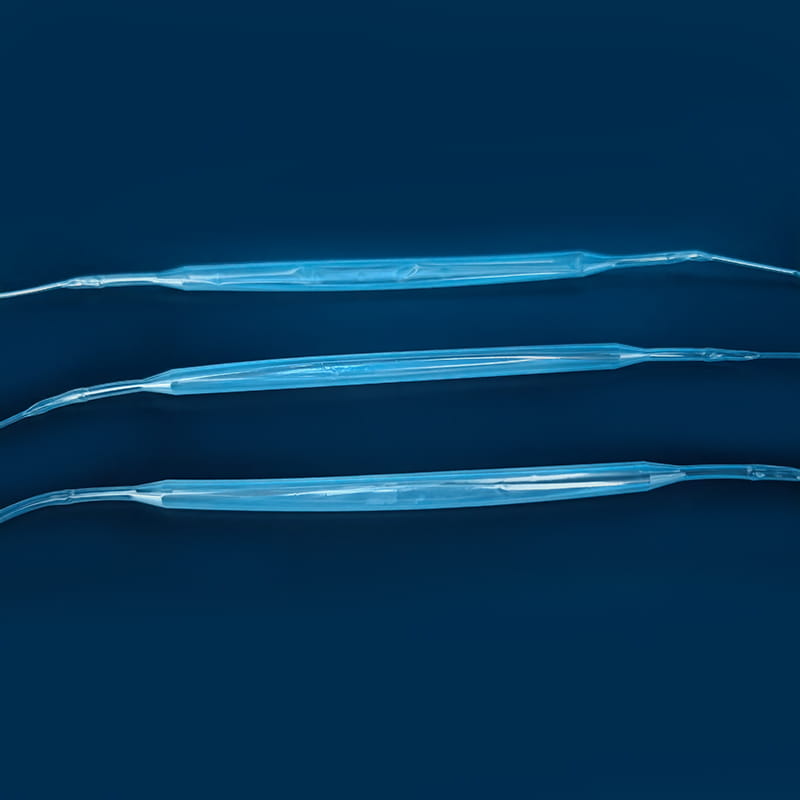
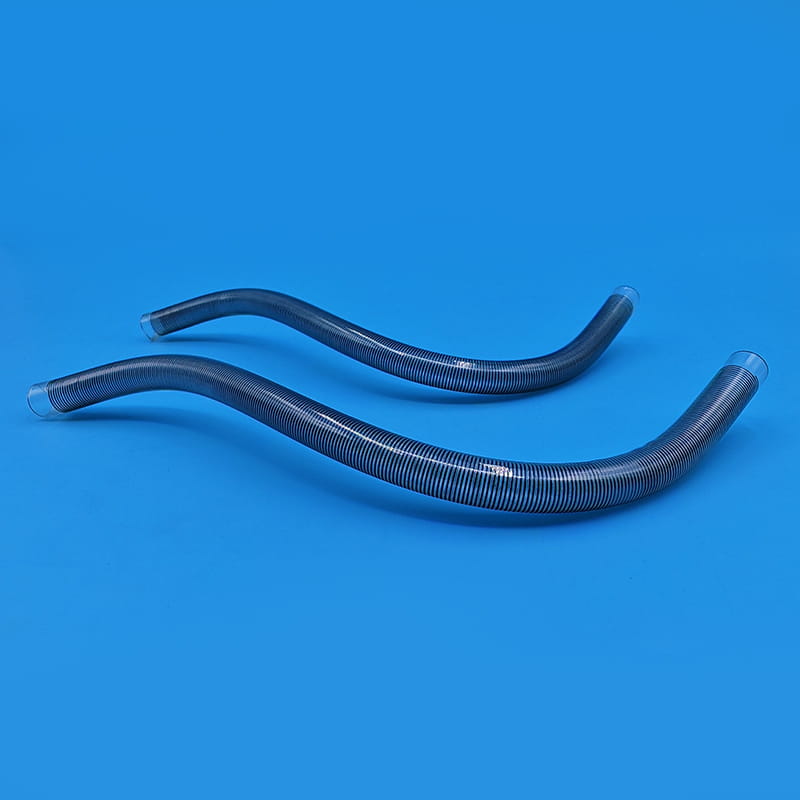
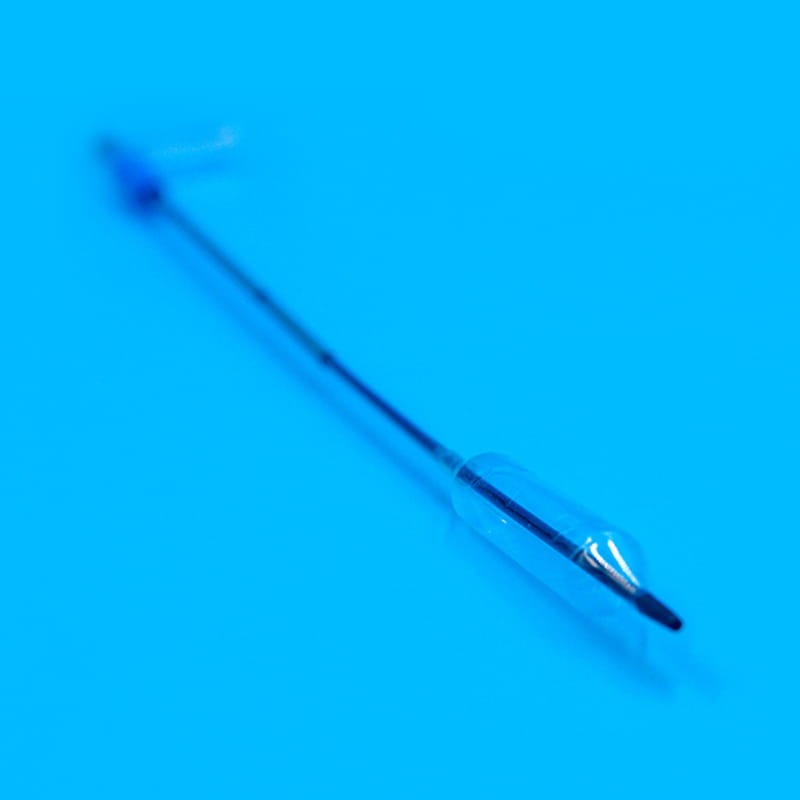
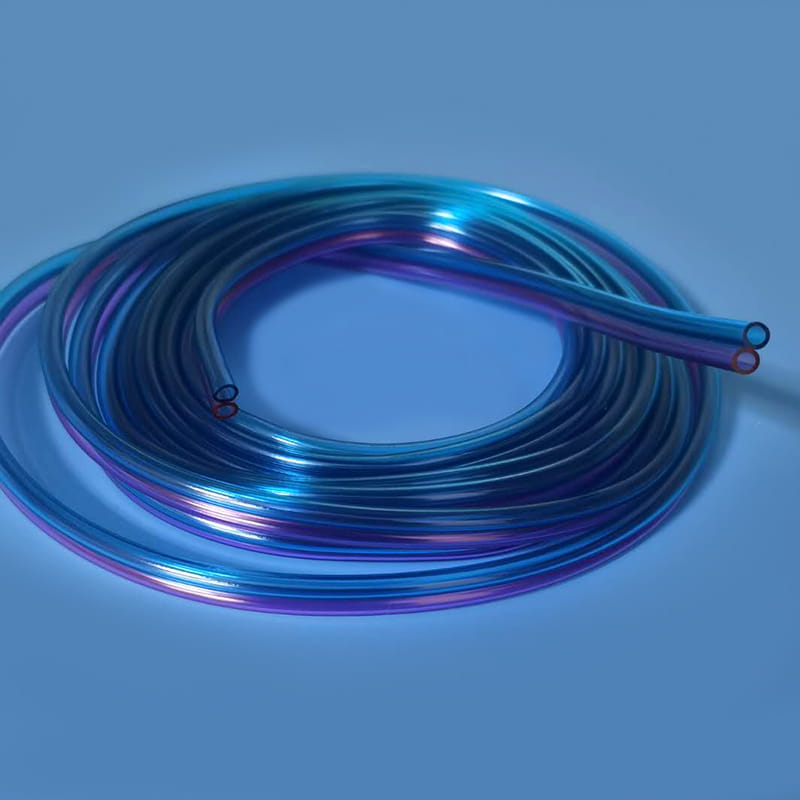
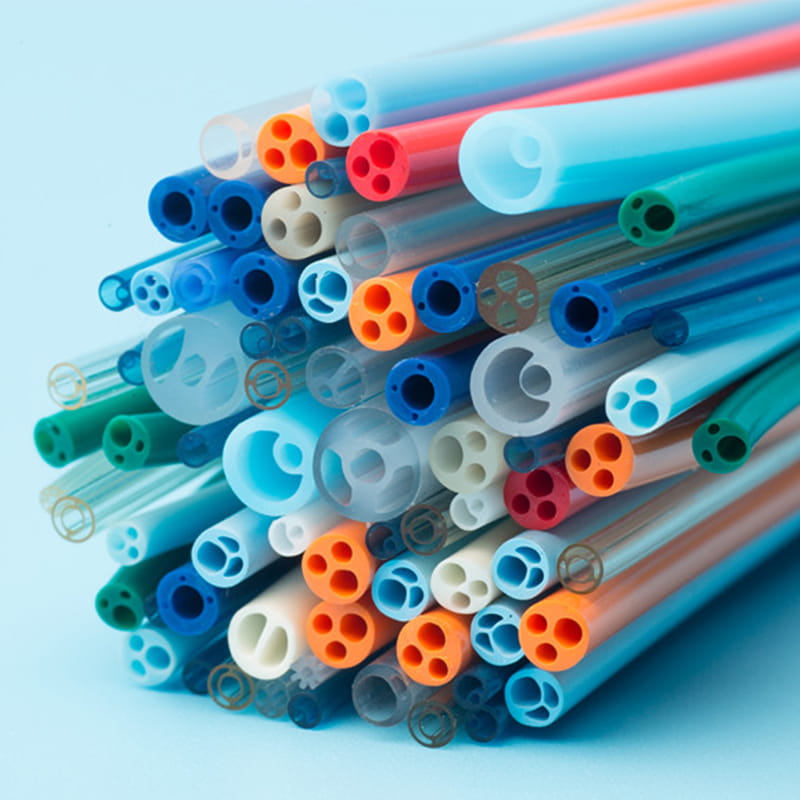
. merkezi venöz kateter kiti Her biri tüm tıbbi işlem sürecinde benzersiz ve yeri doldurulamaz bir rol oynayan çeşitli anahtar bileşenler içerir. Birincisi, kitin çekirdek bileşeni olan ve merkezi damarın vücudun dışına ve vücudun içine bağlayan kanal olan merkezi venöz kateterdir. Materyali genellikle tıbbi dereceli poliüretan veya silikondan yapılmıştır. Bu tür malzemeler iyi biyouyumlanabilirliğe sahiptir ve vücudun yabancı cisimleri reddetmesini etkili bir şekilde azaltabilir ve enfeksiyon gibi komplikasyon riskini azaltabilir. Farklı merkezi venöz kateter türlerinin yapı ve fonksiyonda kendi özellikleri vardır. Tek lümen kateterler tek tedavi ihtiyaçları için uygundur, çift lümen veya çok lümen kateterler, tıbbi operasyonların verimliliğini ve rahatlığını büyük ölçüde artıran infüzyon, kan toplama ve ilaç uygulaması gibi çeşitli farklı tıbbi operasyonlar gerçekleştirebilir. Tasarım açısından, bazı kateter yüzeyleri, anti-trombotik özellikleri daha da arttırmak için özel kaplamalarla işlenir; Bazıları ayrıca tıbbi personelin yerleştirme derinliğini doğru bir şekilde kavramasını kolaylaştırmak için ölçeklerle işaretlenmiştir.
. cannula plays a pioneering role in the central venous catheter kit. When performing a central venous catheter insertion operation, the cannula is first used for percutaneous puncture into the vein. Its needle tip adopts a bevel cutting process. This design is sharp and precise, and can quickly and accurately penetrate the skin and vein wall with minimal resistance, opening a channel for the entry of subsequent components. The needle core and outer sleeve of the cannula needle are closely matched. When the cannula needle successfully enters the vein, the inner needle core is removed through a special separation mechanism, and the outer sleeve with a certain hardness and flexibility will remain in the vein as a guide channel for subsequent guide wires and other components to enter. To ensure the accuracy of puncture, some cannula needles are also equipped with ultrasound guidance adapters, which can be used with ultrasound equipment to observe the puncture path and blood vessel status in real time.
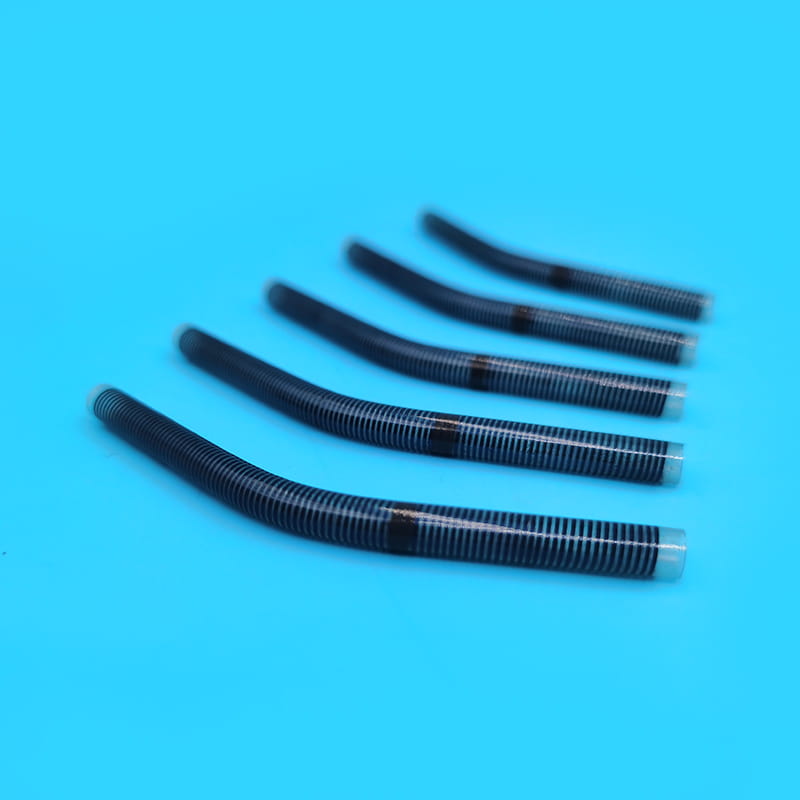
. guidewire is a key tool for precise positioning and guidance in the central venous catheter kit. After the cannula needle establishes the initial channel, the guidewire will be sent into the vein through the cannula. The outer layer of the guidewire is usually woven from medical-grade stainless steel wire, and the inner layer is a nickel-titanium alloy core. This structure gives the guidewire good flexibility and maneuverability. Doctors can use the J-shaped or straight head design of the guidewire tip to flexibly turn and guide it in the blood vessel through in vitro operation, and accurately send it to the target position. Some high-end guidewires also have a hydrophilic coating, which becomes lubricated after contact with blood, further reducing friction damage to the inner wall of the blood vessel. The existence of the guidewire makes the insertion path of the central venous catheter clearer and more controllable, laying a solid foundation for the smooth insertion of the subsequent catheter.
. role of the dilator in the central venous catheter kit should not be ignored. Since the diameter of the vein is relatively thin, and the central venous catheter needs to be smoothly inserted, it is necessary to properly dilate the vein. The dilator usually adopts a conical or cylindrical design, and the material is mostly medical-grade polyethylene. It can enter the vein along the guidewire and expand the channel of the venous puncture site by gradually expanding. During the expansion process, the smooth surface treatment and gradual caliber design of the dilator can reduce damage to the venous tissue while ensuring effective expansion. For special patients, such as those with thin blood vessel walls or sclerosis, there are also special controllable dilators available, and doctors can accurately adjust the expansion strength and range according to actual conditions.
. peelable sheath is an important part of the central venous catheter kit to ensure the safe insertion of the catheter. After the dilator completes the dilation of the vein, the peelable sheath will be sent into the vein along the guidewire and dilator. The peelable sheath consists of two symmetrical half sheaths connected by a special locking structure in the middle. When the peelable sheath reaches the appropriate position, the central venous catheter will be inserted into the vein through the sheath. At this time, the medical staff will separate the peelable sheath from the middle lock and remove it from the body through a specific operation technique, while the central venous catheter will be left in the vein. This unique design not only ensures the smooth catheter insertion process, but also avoids unnecessary damage to the vein and catheter. To prevent accidental scratches on the surrounding tissue when the sheath is peeled off, the edge of the sheath is specially rounded and blunted.
. fixing device plays a role in stabilizing and fixing the catheter in the central venous catheter kit. In order to ensure that the central venous catheter can maintain a stable position in the patient's body for a long time without displacement or falling off, fixing devices such as sutures, sterile dressings or special catheter fixers will be used to fix the catheter to the patient's skin. The suture fixation method is suitable for patients with long-term catheterization. The catheter is fixed to the skin tissue through delicate suturing operations; the sterile dressing is breathable, waterproof and antibacterial, and can effectively protect the puncture site; the dedicated catheter fixator is made of medical-grade silicone or polymer materials, and can be personalized according to the patient's skin morphology and catheter model through an adjustable buckle design. Appropriate fixation can not only ensure the normal function of the catheter, but also reduce the discomfort and potential risks caused to the patient by the movement of the catheter.
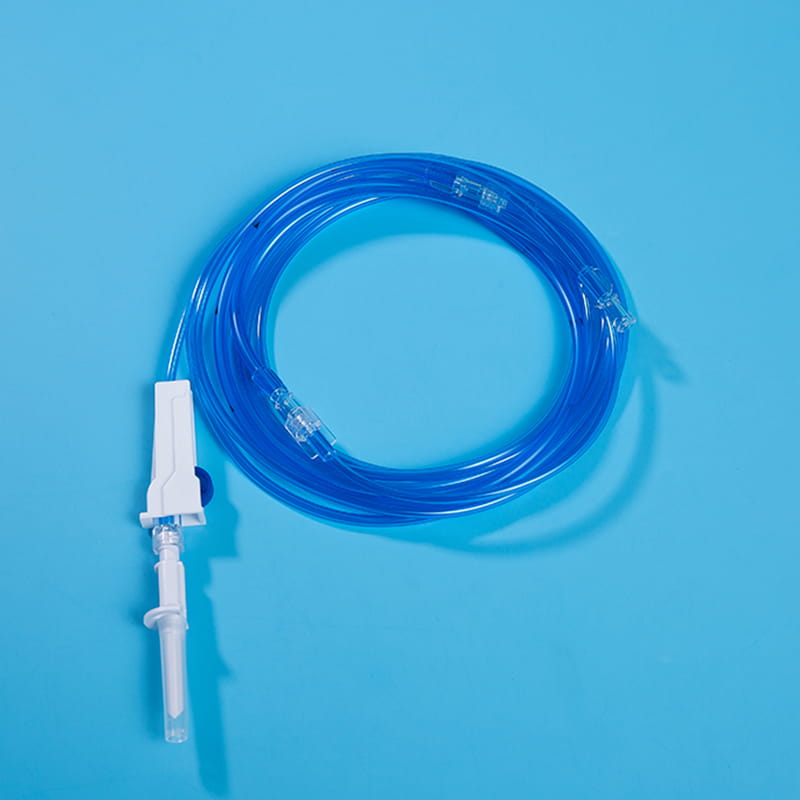
. interface for external connection is the bridge between the central venous catheter and external medical equipment. Through these interfaces, the central venous catheter can be connected to infusion sets, syringes and other equipment to achieve various medical operations such as infusion, drug administration, and blood collection. The design of these interfaces has good sealing and compatibility, and common ones include Luer connectors and needleless infusion connectors. The Luer connector is connected by threads to ensure a tight connection without leakage; the needleless infusion connector adopts a diaphragm design, which can complete the infusion operation without acupuncture, reducing the risk of infection. At the same time, some interfaces also have anti-backflow function to prevent blood from reflux and blocking the catheter, and support multiple devices to be connected at the same time to meet complex clinical needs.
Çok çeşitli klinik uygulama senaryoları
Gerçek tıbbi uygulamalarda, merkezi venöz kateter kitlerinin kullanım senaryoları çok geniştir. Yoğun bakım alanında, büyük miktarda infüzyon ve sık ilaç gerektiren kritik durumları olan hastalar için, merkezi venöz kateterler hastaların sıvılar ve ilaç ihtiyaçlarını karşılamak için hızlı ve stabil bir infüzyon kanalı sağlayabilir. Örnek olarak septik şoklu hastaların alınması, kurtarma işlemi sırasında büyük miktarda kristaloid sıvı, kolloid sıvı ve vazoaktif ilaçların kısa sürede tamamlanması gerekir. Merkezi venöz kateter, bu sıvıların ve ilaçların hızla kan dolaşımına girmesini ve şok durumunu hızlı bir şekilde düzeltmesini sağlayabilir. Aynı zamanda, hemodinamik izleme merkezi venöz kateter yoluyla da yapılabilir. Doktor, merkezi venöz basınç ve pulmoner arter kama basıncı gibi parametreler elde etmek için basınç sensörünü kateter arayüzüne bağlar, bu da doktorların hastanın kalp fonksiyonunu ve kan dolaşım durumunu gerçek zamanlı olarak anlamalarına yardımcı olur ve doğru tedavi planlarını formüle etmek için önemli bir temel sağlar.
Tümör tedavisinde, birçok kemoterapi ilacı kan damarları için oldukça rahatsız edicidir ve periferik damarlar yoluyla uygulama flebit gibi komplikasyonlara neden olabilir. Merkezi venöz kateter kiti, merkezi damara bir kateter yerleştirebilir, kemoterapi ilaçlarının doğrudan büyük kan damarlarına girmesine ve hızla seyreltilmesine izin verebilir, böylece kan damarlarına tahrişi azaltır, komplikasyon olasılığını azaltır ve hastaların tedavi toleransını ve uyumluluğunu iyileştirir. Örneğin, doksorubisin gibi son derece tahriş edici kemoterapi ilaçları alan meme kanseri hastaları, deri nekrozu ve ilaç ekstravazasyonunun neden olduğu doku ülserasyonu gibi ciddi sonuçları etkili bir şekilde önlemek için merkezi venöz kateterler kullanabilir. Aynı zamanda, uzun süreli ve çoklu kemoterapiye ihtiyaç duyan hastalar için, merkezi venöz kateterler tekrarlanan ponksiyonların ağrısını azaltır ve tedavinin sürekliliğini iyileştirir.
Ek olarak, beslenme destek tedavisinde, merkezi venöz kateterler, uzun süreli koma ve şiddetli yanıkları olan hastalar gibi gastrointestinal sistem boyunca yeterli beslenme alamayan hastalar için toplam parenteral beslenme desteği için kullanılabilir. Merkezi ven yoluyla yüksek konsantrasyon, yüksek kalorili besin çözeltisi vermek, hastanın vücudunun besin ihtiyaçlarını karşılayabilir ve hastanın iyileşmesini teşvik edebilir. Örnek olarak geniş yanıkları olan hastaları alarak, gastrointestinal fonksiyonları travma nedeniyle bastırılır ve yiyecekleri normal olarak sindiremez ve ememezler. Şu anda, amino asitler, yağ emülsiyonu, glikoz ve diğer bileşenler içeren hepsi bir arada besin çözeltisi, hastanın azot dengesini korumak, vücudun gerektirdiği enerjiyi yenilemek ve yara iyileşmesini hızlandırmak için merkezi venöz kateterden verilir. Aynı zamanda, sağlık personeli merkezi venöz kateter aracılığıyla hastanın elektrolitlerini, kan şekerini ve diğer göstergelerini de izleyebilir ve besin destek planını zamanında ayarlayabilir.
Katı ve standartlaştırılmış çalışma prosedürleri
. operating procedures of the central venous catheter kit need to strictly follow the specifications and standards. Before the operation, the doctor needs to conduct a comprehensive assessment of the patient's condition, including the patient's age, weight, underlying diseases, coagulation function, etc., and select the appropriate puncture site and central venous catheter type. Common puncture sites include the internal jugular vein, subclavian vein and femoral vein. Different sites have their own advantages and disadvantages, and they need to be carefully selected according to the specific situation of the patient. At the same time, detailed explanations and communication should be given to the patient, and the patient should be informed of the operation process, possible risks and key points of cooperation to obtain the patient's cooperation. During the operation, the principle of aseptic operation must be strictly followed. The puncture site must be disinfected with iodine more than three times, and the diameter of the disinfection range must not be less than 15 cm. A large sterile sheet must be laid to ensure that the entire operation is carried out in a sterile environment. Then follow the steps of trocar puncture, guide wire insertion, dilation with a dilator, insertion of a removable sheath, insertion of a central venous catheter, fixation of the catheter, and connection of an external interface. Taking internal jugular vein puncture as an example, under ultrasound guidance, after determining the puncture point, the trocar is inserted at an angle of 30-45 degrees. After seeing the blood return, it is confirmed that it is in the vein, and then the subsequent components are inserted according to the process. After the operation is completed, the patient needs to be closely observed and cared for, and the patient must be monitored for complications and treated in a timely manner. This includes observing whether the puncture site is red, swollen, or exuded, and changing the dressing regularly; monitoring the patient's body temperature, blood routine, and other indicators to determine whether an infection has occurred; evaluating the function of the catheter to ensure smooth infusion, blood collection, and other operations.
Karşılaşılan zorluklar ve riskler
Merkezi venöz kateter kitleri tıp alanında önemli bir rol oynamasına rağmen, kullanım sırasında bazı zorluklar ve risklerle de karşı karşıyadırlar. Enfeksiyon, merkezi venöz kateterlerin en yaygın komplikasyonlarından biridir. Kateter uzun süre vücutta bırakıldığından, bakterilerin ve diğer mikroorganizmaların istila etmesi kolaydır ve lokal enfeksiyon veya sistemik enfeksiyona neden olur. Bakteriler esas olarak vücuda delinme bölgesindeki cilt kolonizasyonu, kateter konnektörünün kontaminasyonu ve infüzyon sisteminin kontaminasyonu yoluyla girer. Tromboz da göz ardı edilemeyen bir sorundur. Kateter, kan damarındaki vasküler endotelyumu uyararak kan pıhtılaşmasında değişikliklere neden olabilir ve böylece bir trombüs oluşturabilir. Trombüs düştüğünde, pulmoner emboli gibi ciddi komplikasyonlara neden olabilir. Ek olarak, kateter tıkanması ve yer değiştirme gibi problemler, merkezi venöz kateterin normal kullanım ve tedavi etkisini de etkileyebilir. Kateter tıkanmasına ilaç birikimi, kan pıhtılaşması vb. Kateter yer değiştirmesi, uygunsuz hasta aktivitesi ve gevşek fiksasyon gibi faktörlerle ilişkili olabilir.
For more information, please call us at +86-18913710126 or email us at .
Poliimid borular modern tıbbi cihaz mühendisliğinde vazgeçilmez hale geldi. Minimal invazi...
FEP Kılavuz Tel Koruyucu Kılıf Borusunu Anlamak Minimal invazif tıbbi prosedürler...
A tıbbi peristaltik pompa tüpü tıbbi ekipmanlarda doğru, steril ve kontrollü sıvı d...
Kateter Görüntüleme Teknolojisinin Gelişimi Minimal invaziv prosedürler, modern tıbbı te...
Modern Sağlık Hizmetlerinde Tıbbi Kateterleri Anlamak Tıbbi cihazlar hasta bakımında dev...
Düz bir kateter hava yolunun büyük bir kısmına ulaşır, ancak trakeostomi dalının veya zorlu ...